

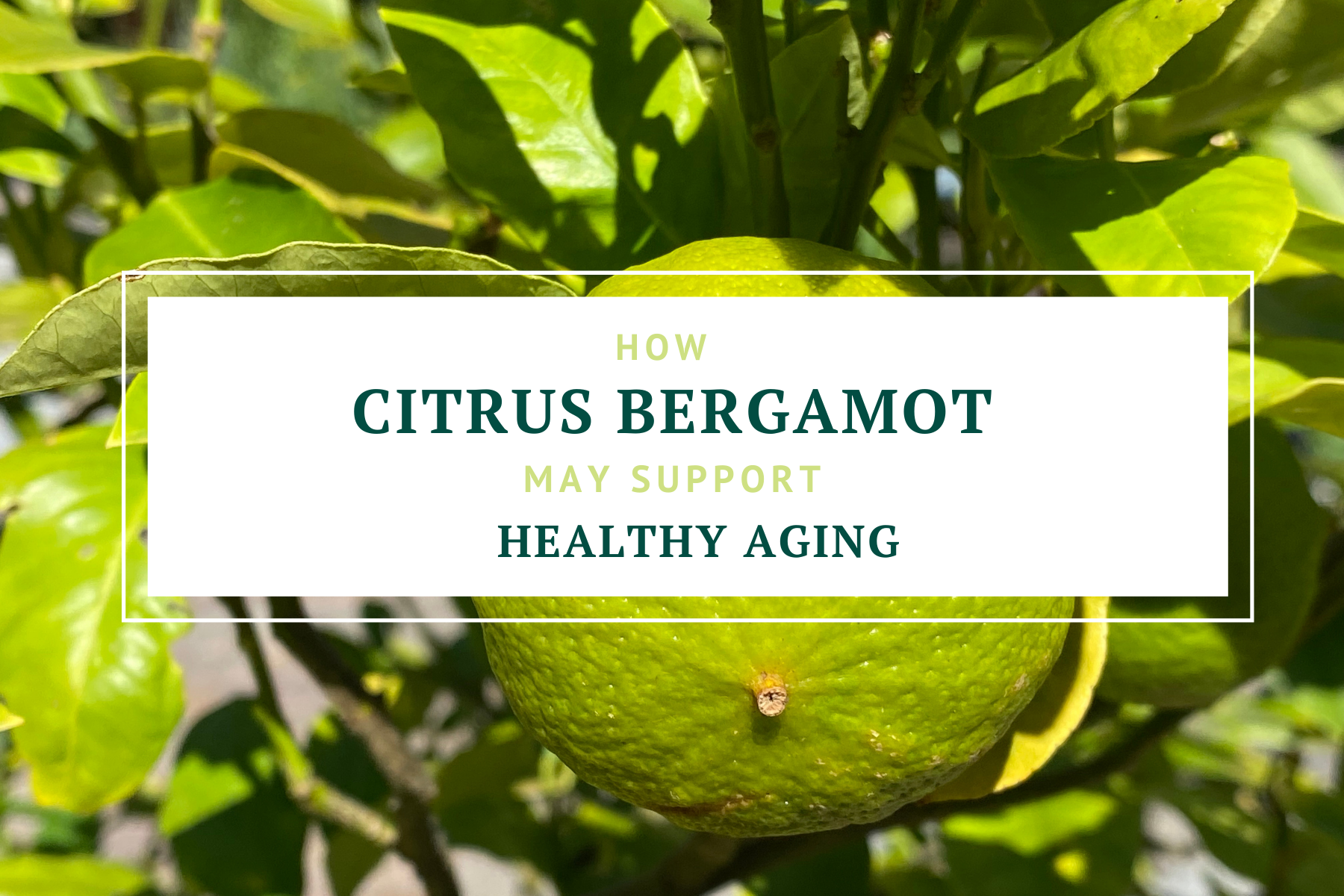
The science behind how a small Italian citrus fruit may help support muscle, bone, and metabolic wellness as we age.
As many adults enter their 40s, 50s, and beyond, they begin noticing subtle changes in their bodies—less strength, slower energy, shifts in body composition, and more difficulty maintaining balance in everyday wellness markers. Scientists refer to these combined age-related shifts as "inflammaging." It describes how everyday inflammation and oxidative stress gradually rise with age and influence how we feel and function.
But new research suggests that natural polyphenols—especially those found in citrus bergamot—may help the body maintain healthier balance during aging.
This review is one of the most comprehensive to date, and its findings are promising for anyone looking for plant-based support for aging well.
What Makes Citrus Bergamot Special?
Citrus bergamot—grown almost exclusively in Calabria, Italy—is one of the most polyphenol-rich citrus fruits in the world. These polyphenols include:
- naringin
- neohesperidin
- rutin
- brutieridin
- melitidin
These compounds are known for supporting metabolic wellness, antioxidant defenses, inflammatory balance, and healthy cellular energy.
The 2024 review explored how these same pathways may influence muscle health, bone metabolism, and body composition—all important for graceful aging.
How Citrus Bergamot May Support Healthy Aging
This section now includes the mechanisms explicitly discussed in the systematic review, written in clear, compliant language.
1. Supports Healthy Muscle Maintenance
The review found that bergamot polyphenols may help the body maintain healthy muscle mass and function, especially in midlife and older adulthood.
Mechanisms Discussed in the Review
- Mitochondrial support: Helps muscle cells produce energy efficiently.
- Antioxidant activity: Supports natural defenses that protect muscle tissue from everyday oxidative stress.
- Inflammatory balance: Helps maintain healthy inflammatory signaling tied to muscle health.
- Protein-balance pathways: Early research shows potential support for pathways related to healthy muscle preservation.
Why It Matters
Healthy muscles support mobility, posture, daily energy, and overall quality of life.
2. May Support Bone Metabolism
Bergamot may influence pathways that help the body maintain healthy bone turnover—important for strength and resilience with age.
Mechanisms Discussed
- Osteoblast/osteoclast signaling: Supports natural balance between bone-building and bone-resorbing cells.
- Oxidative stress balance: Helps protect bone cells from everyday wear.
- Bone-remodeling pathways: May support normal bone turnover signaling.
Why It Matters
Healthy bones reduce stiffness, support mobility, and help maintain independence as we age.
3. Supports Healthy Body Composition Pathways
The review explored bergamot's role in fat metabolism, glucose balance, and energy use, all of which shift with age.
Mechanisms Discussed
- Fatty-acid oxidation: Supports natural fat-burning pathways.
- Healthy lipid metabolism: Helps the body maintain balanced fats in normal ranges.
- Glucose-uptake pathways: Supports healthy blood sugar responses already in the normal range.
Why It Matters
Balanced metabolic pathways support energy, healthy weight maintenance, and overall vitality.
4. Helps Maintain a Healthy Inflammatory and Oxidative-Stress Response
One of bergamot's most researched areas is its impact on balancing oxidative stress and everyday inflammatory activity—two foundational parts of inflammaging.
Mechanisms Discussed
- Enhanced antioxidant defenses: Supports enzymes that neutralize free radicals.
- Cytokine signaling balance: Helps keep inflammatory responses in a healthy range.
- Cell-protective pathways: Supports resilience in muscle, bone, and fat tissue.
Why It Matters
Balancing oxidative stress and inflammation helps the body feel more stable and energized.
5. May Support Healthy Cellular Energy Production
Several studies in the review highlighted bergamot's impact on mitochondrial function, the energy centers of the cell.
Mechanisms Discussed
- Increased mitochondrial efficiency: Supports the body's natural ATP (energy) production.
- Muscle energy pathways: Helps muscle cells use nutrients more effectively.
Why It Matters
Healthy mitochondria = more stable daytime energy.
Why This Review Matters for Adults Over 40
The findings paint a picture of a natural ingredient that supports multiple areas of aging at once—not through stimulation, but through polyphenol-driven pathways the body naturally uses every day.
Bergamot may help support:
- healthy inflammatory balance
- healthy metabolic responses
- muscle and bone wellness
- antioxidant activity
- cellular energy
All of these are central to how we feel and function through midlife and beyond.
Quick Summary
Citrus bergamot benefits for healthy aging stem from polyphenols that support:
- muscle health pathways
- bone metabolism pathways
- lipid and glucose metabolism
- oxidative stress and inflammation balance
- mitochondrial energy production
This natural plant compound supports the body's normal healthy functions—making it a gentle, science-backed option for midlife wellness routines.
FAQ
Does bergamot treat osteosarcopenic obesity?
No. Supplements do not treat or cure conditions. The review only shows how bergamot may support normal biological pathways linked to healthy aging.
Is citrus bergamot different from other citrus fruits?
Yes. It contains rare polyphenols (like brutieridin and melitidin) not commonly found in oranges, lemons, or limes.
How long does bergamot take to work?
Most human studies run 4–12 weeks, though experiences may vary.
Can you combine bergamot with other supplements?
Yes, many people combine it with omega-3s, antioxidants, or metabolic-support blends. Speak with your healthcare provider for personal guidance.
Reference
FDA Disclaimer
These statements have not been evaluated by the Food and Drug Administration. This product is not intended to diagnose, treat, cure, or prevent any disease.


